Get Blown In Insulation Service
Blown In Insulation Service helps property owners improve energy efficiency and comfort by filling wall and attic cavities with professional insulation installed by local contractors.
Blown-in insulation services are a practical solution for property owners seeking to improve energy efficiency and comfort. Whether upgrading existing insulation or insulating new construction, local contractors can provide expert assistance to help achieve optimal results. Exploring options in this area can lead to better temperature regulation, reduced utility costs, and enhanced overall property performance. Keeping these benefits in mind can make planning a project more straightforward and effective.
For those considering insulation upgrades, comparing local service providers can help identify the right fit for specific project needs. Many local contractors specialize in blown-in insulation, offering tailored solutions to meet different property types and goals. Continuing to read can provide valuable insights into available services and how they might support a property’s long-term comfort and efficiency.
- Attic Insulation - when existing insulation has settled or is insufficient to maintain proper temperature control.
- New Construction Insulation - during building projects that require effective insulation installation from the start.
- Remodeling Projects - when upgrading or improving home insulation to enhance energy efficiency.
- Attic Air Sealing - to reduce air leaks and improve insulation performance in older or drafty homes.
- Retrofitting Insulation - in existing structures to improve energy savings and indoor comfort.
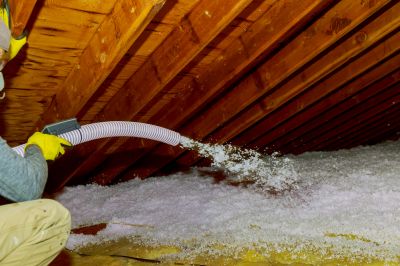
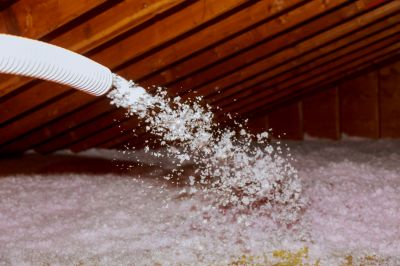
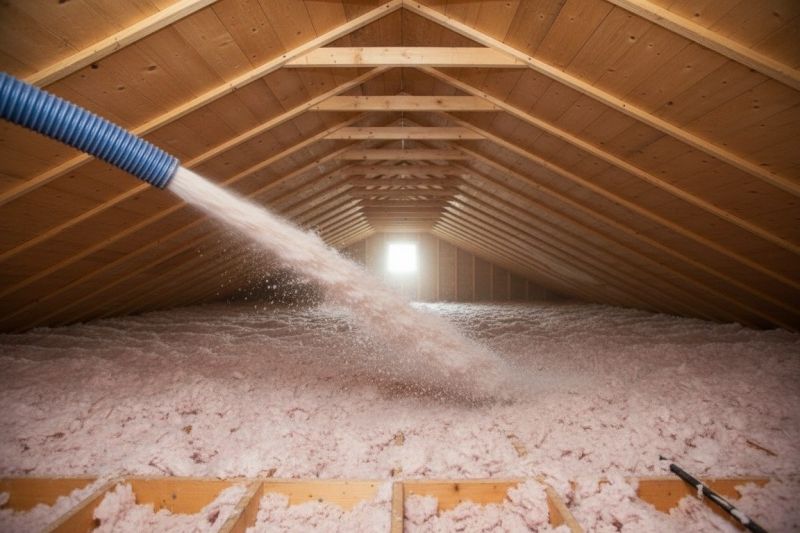
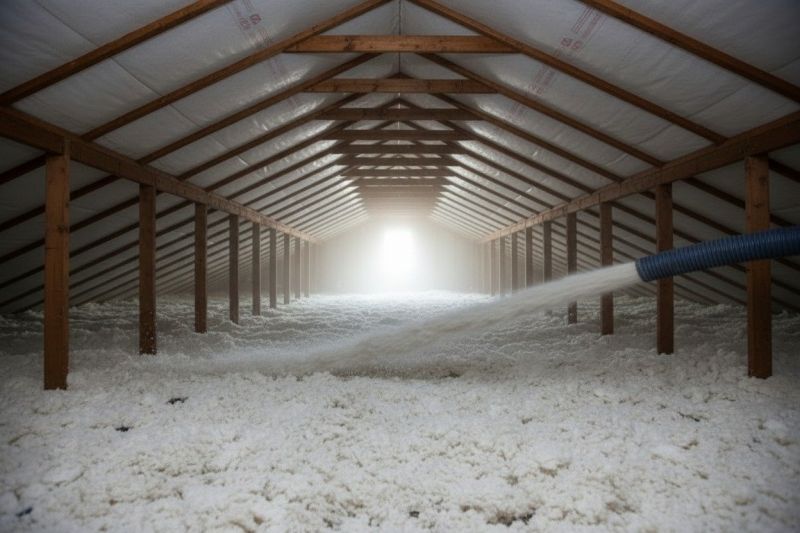
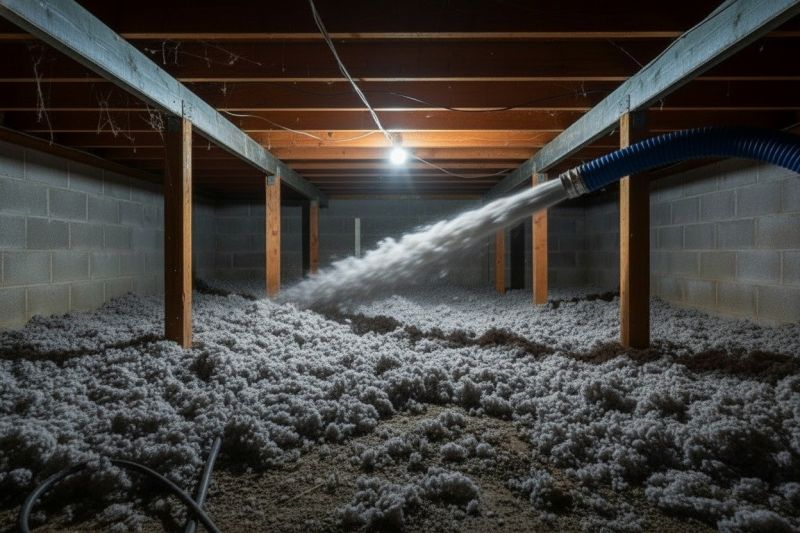
Blown-in insulation services involve the process of installing loose insulating material into attics, wall cavities, or other hard-to-reach areas within a property. This method typically uses specialized equipment to blow cellulose, fiberglass, or mineral wool insulation evenly across the space, filling gaps and voids to create a continuous barrier. The goal is to improve the thermal efficiency of a building by reducing heat transfer, which can help maintain comfortable indoor temperatures and potentially lower energy bills.
This service is particularly effective for addressing common problems such as drafts, uneven temperature distribution, and high energy costs. Homes with inadequate or aging insulation may experience increased heating and cooling expenses, as well as discomfort during extreme weather. Blown-in insulation can also help prevent issues related to moisture accumulation and air leakage, which can contribute to mold growth and structural deterioration over time. It is a practical solution for homeowners seeking to enhance energy efficiency without extensive remodeling.
Properties that often benefit from blown-in insulation include older homes with insufficient insulation, attics that have been poorly insulated or have settled over time, and new construction projects aiming for improved energy performance. Commercial buildings, garages, and basements can also be suitable candidates for this type of insulation work. Generally, any property with accessible attic spaces or open wall cavities can be improved with blown-in insulation, making it a versatile choice for various types of residential and light commercial structures.
Homeowners considering this service should look for experienced local contractors who specialize in insulation installation. These professionals can evaluate the existing insulation, identify problem areas, and recommend the appropriate type and amount of blown-in material needed. Proper installation ensures maximum effectiveness, helping to solve issues like drafts, uneven temperatures, and high energy costs. Contacting local service providers is a practical step toward improving a property's comfort and efficiency through professional blown-in insulation services.
The overview below groups typical Blown In Insulation Service projects into broad ranges so you can see how smaller, mid-sized, and larger jobs often compare in your area.
In many markets, a large share of routine jobs stays in the lower and middle ranges, while only a smaller percentage of projects moves into the highest bands when the work is more complex or site conditions are harder than average.
Smaller Repairs - For minor insulation fixes or topping off existing insulation, local pros typically charge between $250 and $600. Many routine jobs fall within this range, though costs can vary based on the size and accessibility of the area.
Partial Insulation Replacement - Replacing or upgrading insulation in specific sections of a home usually costs between $1,000 and $3,000. Larger or more complex projects tend to approach the higher end of this range, while simpler jobs stay in the middle.
Full Attic Insulation Installation - Complete attic insulation can range from $1,500 to $4,000 depending on the size of the space and material choices. Most standard installations are found within this band, with fewer projects reaching into the higher tiers.
Whole-Home Insulation Overhaul - Comprehensive insulation upgrades across an entire house can cost $5,000 or more. These larger projects are less common but are necessary for extensive retrofits or significant energy efficiency improvements.
Actual totals will depend on details like access to the work area, the scope of the project, and the materials selected, so use these as general starting points rather than exact figures.
Attic Insulation Installation - professionals skilled in installing various insulation types can apply similar techniques and tools used in blown-in insulation projects to improve attic energy efficiency.
Cavity Wall Insulation - local contractors experienced in filling wall cavities with insulation use comparable planning and equipment as those used for blown-in attic insulation.
Attic Air Sealing - sealing air leaks in attics requires precise planning and tools, aligning closely with the skills needed for effective blown-in insulation installation.
Fiberglass Batts Installation - installing batts in walls or ceilings involves similar handling and planning as blown-in insulation, with an emphasis on proper coverage and safety.
Spray Foam Insulation - applying spray foam involves specialized equipment and planning similar to blown-in methods, often used to enhance insulation performance.
Roof Ventilation Projects - ensuring proper attic ventilation complements insulation work and requires planning and understanding of airflow, similar to blown-in insulation services.
When evaluating potential service providers for Blown In Insulation, it’s important to consider their experience with similar projects. Homeowners should inquire about how long the contractors have been working in the insulation field and whether they have handled projects comparable in size and scope to their own. A provider with a solid track record in residential insulation can offer insights into the process and ensure that the work will meet expectations. Checking whether the contractor has successfully completed projects similar to yours can help gauge their familiarity with specific challenges and the best methods for achieving quality results.
Clear, written expectations are a key part of selecting the right local contractor. Homeowners should seek detailed descriptions of the services offered, including the scope of work, materials used, and any specific steps involved in the installation process. Having these details in writing helps prevent misunderstandings and provides a basis for evaluating whether a particular provider’s approach aligns with the homeowner’s needs. Transparent communication about what to expect can also serve as a foundation for a smooth project and ensure that both parties are on the same page from the outset.
Reputable references and effective communication are essential factors to consider when comparing local service providers. Homeowners are encouraged to ask for references from previous clients who had similar insulation projects, as this can provide insights into the contractor’s reliability and quality of work. Additionally, good communication skills-such as responsiveness, clarity, and willingness to answer questions-are indicative of a professional who values customer satisfaction. While the site introduces homeowners to local options, it’s important to remember that selecting a contractor who demonstrates experience, transparency, and clear communication is key to a successful insulation project.
Property owners use Blown In Insulation Service services for practical projects around their homes and businesses. This guide focuses on everyday jobs and straightforward project options.
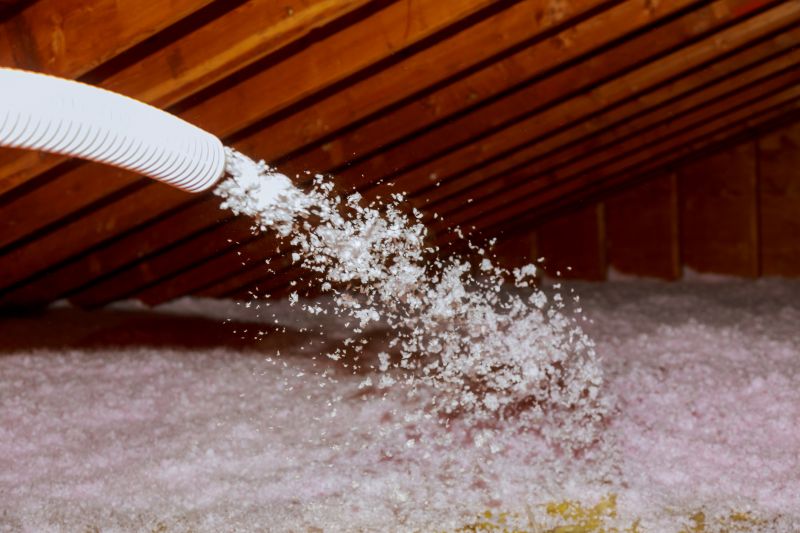
Blown-in insulation services are often sought after by property owners dealing with rising energy bills or uneven indoor temperatures. Whether a home feels drafty during the colder months or heating and cooling systems seem to work overtime, local contractors can help improve energy efficiency through proper insulation. This type of work is also common during home renovations or upgrades, especially when replacing old or damaged insulation that no longer provides adequate thermal protection.
Homeowners might also look for blown-in insulation services when preparing a property for resale or addressing moisture and air quality concerns. Properly installed insulation can help maintain consistent temperatures and reduce unwanted air leaks, making living spaces more comfortable. Local service providers are available to evaluate existing insulation and recommend the best solutions to meet the specific needs of each property.
What is blown-in insulation? Blown-in insulation is a type of insulation material that is installed by blowing loose fibers or particles into wall cavities, attics, or other spaces to improve thermal efficiency.
How does blown-in insulation improve energy efficiency? By filling gaps and reducing air leaks, blown-in insulation helps maintain consistent indoor temperatures, which can lead to lower energy consumption for heating and cooling.
What spaces can be insulated with blown-in insulation? Blown-in insulation is suitable for attics, wall cavities, and other hard-to-reach areas where traditional insulation methods may be difficult to install.
Are there different types of blown-in insulation materials? Yes, common options include fiberglass, cellulose, and mineral wool, each offering different benefits depending on the application and desired performance.
How do local contractors determine the right amount of blown-in insulation needed? Contractors assess the space’s size, existing insulation, and insulation R-value requirements to recommend the appropriate amount of blown-in material for effective coverage.
Attic Insulation Improvement - Enhancing attic insulation can help property owners reduce heat transfer and improve overall energy efficiency in their homes.
Basement Insulation Solutions - Adding blown-in insulation to basements can help maintain consistent indoor temperatures and prevent drafts.
Attic Ventilation Optimization - Proper insulation combined with ventilation adjustments can prevent moisture buildup and improve air circulation.
Retrofitting Existing Insulation - Upgrading or supplementing current insulation with blown-in services can improve comfort and reduce energy costs.
If you are thinking about Blown In Insulation Service for a property, this guide is meant to help you understand the work, the typical project types, and how different options might fit your plans.
When you are ready, you can use the quote form on this page to share a few details about your project. From there, local pros can review the basics and respond with options that match what you have in mind.